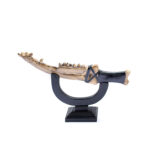
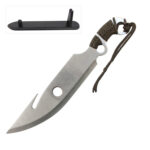
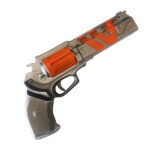
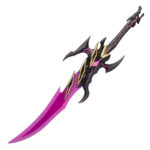
Some replicas get a quick glance and a scroll past. Others stop people cold. That is the difference with famous sword replicas. They carry instant recognition, character loyalty, and the kind of visual punch that makes a shelf, wall, or cosplay setup feel complete.
For collectors, this is never just about owning a blade-shaped object. It is about bringing home a piece of a world you already care about. The right replica can remind you of a boss fight, a final duel, a favorite arc, or the one character who stole every scene. That connection is exactly why certain swords keep showing up in collections while generic designs fade into the background.
What makes famous sword replicas stand out
The short answer is simple – people know them the second they see them. A famous sword does not need an introduction. Its silhouette, guard shape, color pattern, or oversized profile does the work immediately. That kind of visual identity matters more than a lot of new collectors expect.
When a sword is tied to a major anime, game, or fantasy series, it already has built-in meaning. It is not just a prop. It represents a character, a fighting style, a story moment, and sometimes an entire franchise. That gives the replica more staying power than a random fantasy blade with no recognizable roots.
There is also a big difference between a sword that looks cool for a week and one that still feels worth displaying a year later. Famous replicas tend to hold attention because they come with context. Fans do not just see metal, foam, bamboo, or resin. They see the weapon that belonged to the hero, rival, antihero, or final boss they actually remember.
The fandom factor is everything
Collectors rarely buy in a vacuum. Most people start with one franchise they love, then branch out. That is why famous sword replicas are such a strong category. They sit right at the intersection of merchandise and identity.
Anime fans want blades that instantly connect to the series they binge, rewatch, quote, and cosplay. Gamers want the sword that defined a character build or became iconic in cutscenes and key art. Fantasy fans want something that feels legendary the second it goes on a wall mount.
That emotional pull matters because it changes how the item is valued. A replica tied to a favorite character often feels more collectible than a technically similar sword with no name behind it. It becomes a conversation piece, a photo backdrop, a convention accessory, and a gift that actually lands with the right person.
This is also why category breadth matters. Some collectors are all-in on anime swords. Others want medieval-inspired pieces, gaming swords, or fantasy blades that can sit side by side in a mixed display. The strongest collections usually reflect taste, not just quantity.
Display value is a huge part of the appeal
Let us be honest – a lot of replica buying starts with one thought: that would look incredible on my wall.
That instinct is not shallow. Famous swords are designed to be dramatic. They are oversized, stylized, unusually shaped, brightly detailed, or instantly recognizable from across a room. That makes them perfect for display-first collectors who want something bolder than standard merch.
A great replica earns space. It can become the focal point of a game room, anime setup, office shelf, or cosplay corner. Even one strong piece can transform a plain wall into something with personality. Add a mount or harness, and it feels less like storage and more like presentation.
This is where accuracy and finish really matter. If the proportions are off or the details are weak, the illusion breaks fast. But when the color, shape, and overall feel line up with fan expectations, the replica does what it is supposed to do – it looks like it belongs in your collection.
Not every buyer wants the same kind of replica
This is where smart collecting beats impulse shopping. The best choice depends on what you want the sword to do.
If your priority is display, you will probably care most about visual accuracy, finish, and size. If you are buying for cosplay, weight and portability matter a lot more. A sword that looks amazing on a wall can become a hassle after an hour at a convention. Foam, bamboo, or resin options may make more sense depending on the event and your comfort level.
If you are buying as a gift, recognition is usually the safest bet. Famous sword replicas work well because the receiver does not need a long explanation. If they know the franchise, they get it instantly. That makes the gift feel personal instead of random.
And if you are building a collection over time, consistency matters. Some collectors chase one franchise. Others build by theme, like dark fantasy, legendary hero weapons, or villain blades. Neither approach is better. It just depends on whether you want your display to tell one story or several.
Why iconic swords outperform generic fantasy blades
Generic designs can still look good, but they usually do not hit with the same force. A cool blade without a recognizable origin has to rely entirely on shape and finish. A famous replica gets those visual strengths plus fandom recognition.
That recognition creates demand. It also creates repeat interest. Fans do not just want one sword and stop there. If they connect with one franchise or style, they often come back for companion pieces, rival weapons, alternate versions, or blades from related series.
This is one reason collector-focused stores do well with recognizable categories. People are not shopping for a vague sword aesthetic. They are hunting for the item that completes a lineup, matches a costume, or finally puts a favorite character into physical form.
The trade-off is that expectations are higher. Fans know what these weapons should look like. They notice handle details, blade shape, color accents, and scale. So while famous replicas have stronger appeal, they also need stronger execution.
Buying famous sword replicas without regret
There is a simple way to avoid disappointment – know whether you are buying for display, cosplay, or collection-building before you click add to cart.
A display buyer should focus on visual impact and presentation options. A cosplay buyer should think about convention practicality and carry comfort. A serious collector may care about how a piece fits with other items already owned. Those goals overlap, but they are not identical.
It also helps to buy from a retailer that understands fandom products instead of treating them like generic warehouse inventory. Replica collecting is much more fun when the store actually speaks the language of anime, gaming, and fantasy culture, and when stocked products are clearly part of the experience instead of an afterthought. That is a big reason collectors keep coming back to stores like Pocket Blade – the selection feels built for fans who know exactly what they are looking at.
Reliability matters more than people admit. A flashy product photo means nothing if fulfillment is messy or the item arrives looking like an afterthought. For collectors, confidence is part of the purchase. You want the exciting part of buying replicas, not the headache part.
Famous sword replicas are really about ownership
At the core, this category keeps growing because fans want something real. Posters are great. Figures are great. But swords have presence. They take up space. They catch light. They turn fiction into an object you can actually display, carry, photograph, or gift.
That physical presence changes the relationship between fan and franchise. Instead of just remembering a favorite weapon, you own a version of it. You get to make room for it. You get to choose where it lives. That makes the experience more personal than a lot of standard merch can match.
And that is why famous sword replicas do not fade out like novelty items. The best ones hold onto their appeal because they sit right at the center of fandom, design, and collecting. They look incredible, they mean something, and they give fans a way to bring their favorite worlds off the screen and into the room.
If a sword already lives rent-free in your head, there is a good chance it deserves a place in your collection too.