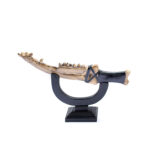
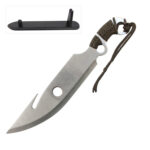
That first anime sword usually starts as a favorite character purchase. Then another shows up. Then a matching set. Pretty soon, the real question is not what to buy next – it is how to display anime swords so your collection looks intentional instead of stacked in a corner like spare gear.
A strong display does two jobs at once. It shows off the blade design, guard, scabbard, and character energy that made you want it in the first place, and it protects the piece from bad placement, accidental bumps, and cheap-looking clutter. If you collect for fandom pride, cosplay, room setup, or pure shelf presence, the way you display your swords matters almost as much as the swords themselves.
How to Display Anime Swords Without Making the Room Look Chaotic
The biggest mistake collectors make is treating every sword like it needs its own random patch of wall. That usually creates visual noise fast. Anime swords are bold by design, so your display should give them room to hit.
Start by deciding what kind of collection you want people to notice first. If you have one hero piece, make it the focal point. If you have several swords from the same series, group them together so the display feels curated. A clean lineup of matching themes almost always looks better than scattering different styles across the room.
Wall space works best when you think in zones. A gaming shelf setup, anime figure case, poster wall, and sword display can work together, but they should not compete. If your room already has LEDs, manga shelves, or collectibles everywhere, a simpler sword layout usually wins. One horizontal display above a desk or a vertical pair beside a figure shelf often looks sharper than trying to fill every empty spot.
Pick the Right Display Style for the Sword
Not every anime sword should be mounted the same way. Blade length, scabbard design, weight, and overall visual shape all change what looks best.
Wall mounts for statement pieces
Wall mounts are the classic move because they turn a replica into instant wall art. They work especially well for longer anime swords, katana-style replicas, and oversized fantasy-inspired blades with dramatic silhouettes. Horizontal mounting tends to feel cleaner and more traditional, while vertical mounting feels more aggressive and modern.
If the sword has a detailed scabbard, display it sheathed unless the blade finish is the main attraction. If the blade itself has color treatments, etched details, or a standout profile, displaying it unsheathed can make more sense. It depends on what part of the replica carries the strongest visual punch.
Tabletop stands for shelves, desks, and cases
A tabletop stand is the smart choice when you do not want to drill into walls or when you want the sword near other collectibles. This setup fits smaller anime swords, dual sets, and display corners where a full wall mount would feel too heavy.
This style also works well if you rotate pieces often. A desk or shelf stand lets you swap featured swords without committing to one permanent layout. For collectors who like changing up their room every few months, that flexibility matters.
Multi-sword racks for growing collections
If one sword turned into five, a multi-sword rack can make the whole collection feel organized fast. This works best when the blades share a franchise, color palette, or overall style. A rack can look incredible with matching katana replicas, but it can also look crowded if the swords vary too much in length or design.
That is the trade-off. Racks save space and show off collection depth, but they can hide details when swords sit too close together. If your replicas have standout guards, wraps, or scabbard art, give them enough breathing room.
Placement Matters More Than the Mount
Even the best mount will not save a bad location. If you are serious about how to display anime swords, placement is where your setup either looks premium or falls flat.
Avoid direct sunlight whenever possible. Sunlight can fade wraps, coatings, and scabbard finishes over time, especially if the piece has bright colors or printed details. Heat is another enemy, so keep swords away from radiators, heater vents, and hot windows.
Traffic flow matters too. A sword mounted in a narrow hallway, behind a swinging door, or above a chair people constantly bump into is asking for trouble. Display pieces should feel protected, not like they are one bad reach away from crashing down.
Height also changes the look. Most anime swords look best around eye level or slightly above. Too high, and people cannot appreciate the details. Too low, and the display loses impact. If the sword is a centerpiece, place it where the handle and guard are easy to see from across the room.
Build a Setup That Matches Your Fandom Style
A good sword display should feel like part of your collection, not separate from it. The best rooms have a point of view. Maybe yours is clean and minimalist with one sword above a monitor setup. Maybe it is full anime shrine energy with figures, manga, LEDs, and matching wall art. Both can work.
What matters is consistency. If your collection leans dark and dramatic, black mounts and focused lighting usually fit. If your room is brighter and more character-driven, lighter shelving and a more open layout may suit the swords better. You do not need museum styling. You need a setup that feels like your fandom actually lives there.
This is where color coordination helps. Try to place swords near collectibles with related tones, series branding, or character themes. A red-accented blade near fiery character art will always feel more intentional than a random mix of unrelated items. Small visual choices make the whole room look sharper.
Lighting Can Make a Mid Display Look Amazing
Lighting is the difference between a sword being present and a sword actually commanding attention. You do not need a complicated setup, but you do need to think about reflection, finish, and shadow.
Soft LED lighting usually works best because it highlights the blade and scabbard without blasting glare across metal surfaces. If the blade is highly reflective, angle the light from above or from the side instead of pointing it straight on. That keeps the display crisp instead of washed out.
Backlighting can look great for silhouettes, especially with oversized fantasy swords. Accent lighting is better for detailed handles, guard shapes, and painted scabbards. If your display includes figures or posters, make sure the sword still has its own visual space. Otherwise the room starts competing with itself.
Keep It Secure and Keep It Clean
A display should look cool, but it also needs to be stable. Always use mounts or stands rated for the size and weight of the piece. That sounds obvious, but collectors still try to make undersized hardware work, and that is how display setups fail.
Check mounting points regularly, especially if the sword is in a room with lots of movement, temperature shifts, or regular rearranging. If you have pets, kids, or frequent guests, security matters even more. The cleaner the setup, the less likely someone is to mess with it.
Dust is another display killer. Anime swords look best when the blade finish, scabbard, and fittings stay clean. A quick routine wipe-down makes a huge difference. If a sword is a premium visual piece in your room, treat it like one.
How to Display Anime Swords in Small Spaces
Not everyone has a full collector room, and that is fine. Smaller setups can look better than oversized ones when the display is tight and deliberate.
In apartments, bedrooms, or dorm-style spaces, focus on one strong display area instead of trying to spread swords everywhere. A single wall above a desk, one shelf section, or a compact corner rack can create more impact than multiple half-finished displays.
Mirrors, glossy furniture, and strong LEDs can make a small space feel cluttered fast, so keep the sword arrangement simple. If you only have room for one or two replicas, lean into that. A clean featured display often feels more premium than a packed wall.
Make the Collection Feel Finished
The last step is editing. Not every sword needs to be out at once. Rotating pieces keeps your room fresh and lets standout replicas have their moment instead of getting buried in visual overload.
That is often the difference between a collector setup and a pile of cool stuff. A real display has intention. It highlights your best pieces, fits the space, and makes it obvious that these are not random props – they are part of your fandom identity.
If you are building that kind of setup, start with the sword you never get tired of looking at and give it a display worthy of the character, the series, and the collection you are building next.