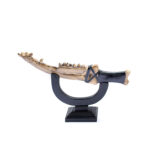
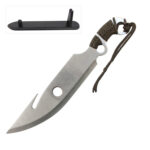
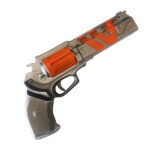
Your display can make a legendary replica look like a centerpiece or like it got tossed on a shelf after a convention haul. A solid collectible sword display guide is really about one thing: making your swords look worthy of the worlds they came from while keeping your space cleaner, safer, and easier to enjoy.
If you collect anime swords, gaming blades, medieval replicas, or fantasy weapons, presentation is part of the thrill. The right setup turns a single hero piece into a focal point. A weak setup does the opposite. Cheap hardware, bad lighting, cramped placement, or random wall spacing can make even a great replica feel flat.
What a good collectible sword display guide gets right
The best displays do three jobs at once. They show off the blade, protect the piece, and fit the mood of the room. That balance matters because a sword that looks amazing in a product photo may need a totally different setup once it is in your bedroom, game room, office, or collector wall.
Start with the question that actually matters: do you want your collection to feel like a museum lineup, a fandom shrine, or a battle-ready feature wall? None of those are wrong, but each one changes your approach. A clean museum look uses spacing, symmetry, and simpler mounts. A fan-heavy setup can be more dramatic, with franchise grouping, posters, LED accents, and layered display pieces.
This is where collectors usually make the first mistake. They buy the sword first, then improvise the display. It works for one or two pieces. Once you hit five, ten, or more, the wall starts looking chaotic fast.
Pick the right location before you mount anything
Wall space is only part of the equation. You also need distance, visibility, and enough room for the full silhouette of the sword. A long blade mounted too close to a shelf, desk, TV, or ceiling line loses impact immediately.
The best location is usually a wall that people naturally face when entering the room. That gives the piece presence right away. Bedrooms, collector corners, streaming setups, and gaming rooms all work well, as long as the sword is not stuck in direct sunlight or high humidity.
Sunlight can fade wraps, finishes, and decorative details over time. Humidity is worse if your piece has metal parts that can develop surface issues. Basements can work, but only if they stay dry. If the room gets damp, fluctuates a lot in temperature, or feels cramped, pick another spot.
Traffic also matters. A sword display near a narrow hallway, door swing, or crowded seating area is asking for bumps and accidents. If the blade extends into a path where people move around, change the wall or change the orientation.
Wall mounts, stands, and cases – what actually makes sense
Most collectors will choose between wall mounts and display stands. Cases are excellent, but they make the most sense for premium pieces, autographed items, or collections you want heavily protected.
Wall mounts are popular for a reason. They save space, create a strong visual hit, and make a collection feel intentional. They are especially good for anime swords, game replicas, and oversized fantasy blades that deserve full-length visibility. The trade-off is exposure. Dust builds up faster, and the display is more dependent on proper hardware and placement.
Display stands work well for desks, shelves, and media units. They are ideal for shorter swords, daggers, and highlight pieces you want closer at eye level. They also make rotation easier. If you like swapping seasonal favorites or showing off whatever franchise you are currently obsessed with, stands give you more flexibility.
Cases offer the best protection but can reduce that bold, open-wall effect many collectors want. They are perfect when preservation matters more than instant visual drama. If your goal is a room that hits hard the second someone walks in, open mounts usually win.
How to arrange swords so the display looks deliberate
This part separates a collector wall from random storage. Spacing is everything.
If you are displaying one statement piece, give it breathing room. Let the blade own the space. Do not crowd it with shelves, figures, or framed art unless those items support the same franchise or theme.
If you are displaying multiple swords, decide what kind of structure you want. Symmetrical layouts feel polished and clean. They work well for matched sets, dual blades, or collections with similar lengths. Asymmetrical layouts feel more dynamic and fan-driven, but they are harder to pull off. To make them work, keep at least one unifying element consistent, like equal spacing between mounts or a shared center line.
Grouping by franchise is usually stronger than grouping by color or blade shape. A gaming wall with swords from one universe feels focused. A mixed display can still look great, but it needs visual logic. Maybe one section is anime, another is medieval fantasy, and another is zombie or post-apocalyptic. Build zones, not clutter.
A simple collectible sword display guide rule to follow is this: when in doubt, leave more space than you think you need. Crowded swords stop looking collectible and start looking stacked.
Lighting is what makes the display hit
Bad room lighting can flatten even the most detailed replica. Good lighting pulls out blade lines, handle texture, guard details, and finish contrast.
You do not need a complicated setup. Warm white or neutral LED lighting usually works best because it adds depth without making the display look harsh. If your room already has strong overhead lighting, use accent lighting to add direction rather than flooding the entire wall.
Colored LEDs can look amazing for gaming or anime displays, especially when you want a high-energy setup. Blue, red, and purple are popular for a reason. The catch is that too much color can hide actual detail. If the entire room glows one color, the sword may read more like a silhouette than a collectible. Use color as atmosphere, not camouflage.
If you stream, film content, or post collection photos, test the display from camera angles before final mounting. A setup that looks great in person can reflect badly on camera, especially with glossy blades.
Keep the room style working with the sword
A killer sword can still look out of place if the room around it fights the display. You do not need a full themed renovation, but you do want some level of visual match.
Dark shelving, gaming furniture, black mounts, and focused lighting usually pair well with fantasy, anime, and game replicas. Lighter rooms can still work, but the sword needs enough contrast behind it. If your wall color is too close to the blade or scabbard, the piece will disappear.
Background matters more than people think. A plain wall often beats a busy one. If you want to add posters, figures, or collectibles nearby, let the sword stay the hero item. Supporting pieces should frame it, not compete with it.
This is also where scale matters. A massive fantasy sword above a tiny desk can feel awkward. A shorter blade on a huge empty wall can look lost. Match the display size to the furniture and room proportions so the setup feels intentional.
Care and safety are part of display, not an afterthought
A display should look good, but it also needs to be stable. Use hardware that fits the wall type and the weight of the replica. Drywall, studs, concrete, and other surfaces all behave differently. If the sword is heavy, decorative, or unusually shaped, treat mounting strength like a priority, not a detail.
Dust is the other guaranteed issue. Open displays collect it fast, especially near vents, windows, or gaming setups. Regular light cleaning keeps the finish sharper and stops the display from looking neglected. If your sword includes metal, wraps, or painted sections, be gentle and follow care guidance appropriate to the materials.
If kids or pets have access to the room, placement becomes even more important. Higher displays, more secure mounts, and less reachability are the smart move. Some collectors prefer closed cases for this reason alone.
Build for the collection you want next
The smartest display setups leave room for growth. That matters because collectors rarely stop at one piece. One sword turns into a matched pair, then a franchise section, then a full wall if you are being honest with yourself.
So plan ahead. If you know you are into anime replicas now but also want medieval swords or gaming weapons later, leave expansion space. Think in rows, zones, or modular sections. A little planning now saves you from redoing the whole wall after every new pickup.
For collectors building a fan-first display, this is where a curated retailer makes a difference. Pocket Blade leans into that collector mindset with stocked, display-ready replicas that feel built for showing off, not just boxing away.
Your display should make you want to look at the piece every time you walk into the room. That is the standard. If the setup feels cramped, dim, awkward, or temporary, tweak it until the sword looks like it belongs there – because a great replica deserves more than storage pretending to be display.