The fastest way to waste money in this hobby is buying random blades that look cool for five seconds and make no sense together a month later. If you’re figuring out how to start sword collection plans that actually feel satisfying, the goal is not to grab everything at once. It is to build a collection that looks intentional, fits your fandoms, and still gives you room to level up over time.
For most new collectors, the real challenge is not finding swords they like. That part is easy. The hard part is deciding what kind of collector they want to be. Some people want anime replicas that turn a room into a character shrine. Some want medieval display pieces with classic silhouettes. Others want gaming swords, fantasy blades, or a mix of iconic pieces that hit pure rule-of-cool. There is no single correct lane, but there is a smart way to choose one.
How to Start Sword Collection Without Regret
Start with a theme before you start with a cart. That sounds simple, but it saves a lot of bad purchases. A themed collection always looks stronger than a pile of unrelated impulse buys, even if the total number of pieces is smaller.
Your theme can be franchise-based, style-based, or display-based. Maybe you want a shelf built around anime legends. Maybe you want a wall of medieval and fantasy swords with dark, dramatic shapes. Maybe you want cosplay-friendly pieces mixed with display replicas that bring your favorite games into real life. All of those work. What matters is choosing a direction that helps every new piece feel like part of something bigger.
Budget matters here too. A starter collection does not need to begin with expensive grail pieces. In fact, it probably should not. A lot of collectors learn their own taste by living with a few entry-level pieces first. You may think you want realistic medieval swords, then realize what really excites you is oversized anime blades or hero weapons from games. Better to learn that after two smart purchases than after ten random ones.
Pick Your Collector Identity First
New collectors usually fall into one of three camps. The first is the fandom collector, focused on recognizable weapons from anime, games, and fantasy universes. The second is the aesthetic collector, more interested in color, shape, presence, and how a blade transforms a room. The third is the mix-and-match collector, building around cool factor with no strict loyalty to one universe.
None of these approaches is better than the others, but each changes how you shop. A fandom collector should care a lot about visual accuracy and whether a piece instantly reads as the weapon it is supposed to be. An aesthetic collector may care more about finish, scale, and how the piece works with wall mounts or a display stand. A mix-and-match collector has the most freedom, but also the biggest risk of ending up with a collection that feels scattered.
If you are unsure where you land, think about the swords that made you want to collect in the first place. Was it a character? A game? A certain blade shape? That answer usually points to the right starting lane.
Start Small, But Make the First Three Count
A strong beginner collection often starts with three pieces. One hero piece, one complementary piece, and one wild card. That gives your display contrast without feeling chaotic.
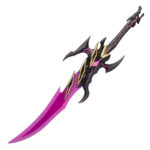
The hero piece is the blade that defines your collection’s vibe. It could be an anime sword everyone recognizes, a medieval longsword with commanding presence, or a fantasy replica that steals attention the second someone walks into the room. This is your anchor.
The complementary piece should support the hero without competing with it. If your first sword is huge and dramatic, the second can be cleaner and more understated. If your first piece is dark and aggressive, the second can bring in a different silhouette or color. You are creating visual rhythm, not just collecting objects.
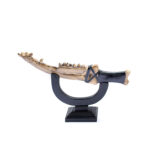
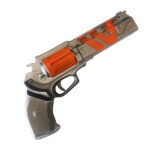
The wild card is where you let fandom instincts win. Maybe it is a zombie-themed blade, a gaming sword, or something that simply looks too good to ignore. One wild card keeps the collection personal. Five wild cards in a row usually means you need a reset.
Know What You Are Actually Buying
This is where beginners get tripped up. Not every sword-shaped product serves the same purpose, and that is fine as long as you know the difference before you buy.
Some pieces are meant mainly for display. These are ideal if your priority is wall presence, shelf impact, and franchise recognition. Some are better for cosplay because weight, portability, or materials make them easier to carry. Foam, bamboo, or resin options can make more sense for conventions or costume builds, while metal replicas often bring the premium visual punch collectors want at home.
It depends on how you plan to use the piece. If it is living on a mount and acting as room decor, looks may matter more than anything else. If you want to wear it as part of cosplay, comfort and practicality matter a lot more. A blade that looks amazing on a wall may be a terrible convention companion.
That trade-off is normal. The best collection often includes different types of pieces for different jobs.
Display Is Part of the Collection
A great sword collection is not just what you buy. It is how you present it. Display turns individual swords into a real collection.
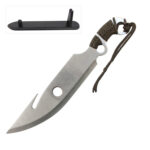
Wall mounts instantly make blades feel more serious and intentional. They save space, frame the silhouette, and let iconic designs do the heavy lifting. Stands work well too, especially if you want to showcase detailed hilts, scabbards, or franchise-specific styling on a desk, shelf, or cabinet.
Think about your room before you keep buying. If you only have room for two wall-mounted swords, buying six oversized pieces is going to create frustration fast. Smaller daggers, axes, or secondary blades can add variety without demanding the same footprint as full-length swords.
Lighting helps more than most beginners expect. A decent setup with clean positioning can make even a modest collection hit harder than a larger one shoved into a corner. You do not need a museum. You just need your display to look deliberate.
Where Beginners Overspend
The easiest way to overspend is chasing every new obsession at the same time. One week it is samurai-inspired blades, the next week it is demon-slaying anime swords, then suddenly you are eyeing fantasy axes and butterfly knives because they look good in the same category. The excitement is real, but a collection grows better when it has some control.
Set a monthly or quarterly budget and stick to it. That budget should include display gear too, not just the blades. A sword on the floor is not doing your collection any favors.
It also helps to leave room for surprise finds. If you spend everything on the first round of purchases, you will have no flexibility when the one piece you actually love shows up later. Good collecting is part taste, part timing.
How to Buy With Confidence
If you are shopping online, reliability matters almost as much as product appeal. Collectors want pieces that look substantial, arrive properly, and match the energy of the listing. That is especially true in fandom-heavy categories, where details can make or break the whole point of owning the replica.
Look for stores that clearly focus on collectible replicas and understand display culture, not just generic merchandise. Stocked inventory matters. Smooth shipping matters. Clear product categories matter. You want to feel like you are buying from people who actually get why this blade matters to a collector.
That is one reason fans gravitate toward specialty shops like Pocket Blade. When a store is built around anime swords, gaming replicas, fantasy blades, and display-ready gear, the experience feels a lot closer to collecting and a lot less like gambling on random inventory.
How to Start Sword Collection Growth That Still Feels Fun
Once your first few pieces are in place, resist the urge to buy only more of the same. Growth gets more interesting when you expand with purpose. Add a dagger that matches your main sword’s aesthetic. Add a mount that upgrades presentation. Add a contrasting franchise piece that still fits the tone of your setup.
This is also the stage where your taste sharpens. You will start noticing what you really care about – blade finish, handle styling, scabbard details, franchise accuracy, room presence, or overall size. That is when collecting gets addictive in the best way. You are no longer just buying cool stuff. You are curating.
And yes, your collection can change direction over time. Plenty of collectors start with one fandom and branch out into medieval, gaming, or fantasy categories later. The trick is making those additions feel earned, not random.
If you are serious about building a collection that keeps looking better instead of just getting bigger, slow down enough to enjoy the choices. The right sword should still feel exciting when the package arrives, but it should also feel right when it hits the wall, shelf, or stand weeks later. That is when you know your collection is becoming something worth showing off.