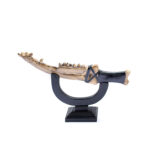
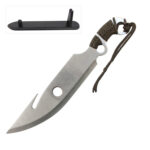
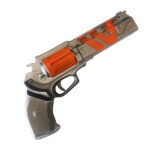
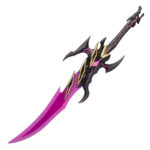
Some pieces instantly change a room. A weathered longsword on a wall mount, a rune-cut axe on a shelf, a dagger with a fantasy hilt catching the light – that is the pull of medieval and fantasy weapons. They do more than fill space. They signal taste, fandom, and the kind of collector who knows the difference between a forgettable prop and a piece that actually deserves display space.
For fans of anime, gaming, dark fantasy, and classic medieval aesthetics, these weapons sit right at the intersection of style and obsession. They feel grounded in history, but they also carry the exaggerated edge that makes fantasy gear so addictive to collect. And that mix is exactly why this category keeps growing. One piece rarely stays one piece for long.
Why medieval and fantasy weapons hit harder than standard merch
A poster can look great. A figure can be detailed. But a sword, axe, or dagger has presence in a way flat collectibles usually do not. It changes the setup around it. It becomes the centerpiece.
That is the real advantage of medieval-inspired blades and fantasy replicas. They are visual by default. A broad blade, an ornate guard, a spiked pommel, a dragon-themed hilt, or an oversized game-style profile gives you instant shelf impact. For collectors building a display room, streaming backdrop, cosplay corner, or fandom wall, that matters.
There is also a deeper collector appeal here. Medieval styles connect to real weapon traditions, which gives them a sense of weight and authenticity. Fantasy designs push beyond realism and go bigger, bolder, and more character-driven. When those two styles meet, you get pieces that feel familiar but still look legendary.
The main types of medieval and fantasy weapons collectors chase
Swords still lead the category, and for obvious reasons. They are iconic, easy to display, and tied to heroes, villains, knights, assassins, and game protagonists across almost every major fandom. A medieval longsword gives you that clean classic silhouette. A fantasy sword adds oversized blades, glowing details, jagged edges, or impossible proportions that instantly feel pulled from a final boss fight.
Axes are a different kind of statement piece. They usually read heavier, more aggressive, and a little more brutal on display. A medieval battle axe brings old-world war-room energy. A fantasy axe can lean into barbarian, dwarf, demon-slayer, or raid-boss territory fast. If swords are elegant, axes are loud – and sometimes that is exactly the point.
Daggers and short blades work especially well for collectors with tighter spaces or for fans who want layered displays instead of one oversized centerpiece. A fantasy dagger can be ornate, sinister, ceremonial, or stealth-focused depending on the design. They are also easy to pair with stands, shadow boxes, or dual-blade arrangements.
Then there are specialty pieces that blur categories completely. Polearms, scythes, spiked weapons, hybrid game-inspired blades, and oversized decorative pieces tend to attract collectors who already have the basics and want something less predictable. These are not always the most practical display items for small rooms, but they can become the piece everyone notices first.
What separates a great display piece from a generic one
Not every replica earns its place in a collection. Some look fine in product photos and feel underwhelming once they arrive. The better pieces usually get three things right: silhouette, finish, and fandom accuracy.
Silhouette matters because that is the first thing your eye catches. Clean lines, dramatic blade shape, and strong proportions can make even a simple design look premium. If the profile is awkward or the scale feels off, the weapon loses impact immediately.
Finish is what gives the piece life up close. Textured grips, engraved details, layered colors, weathered surfaces, and polished accents create the difference between a basic decorative item and something that feels worth showing off. This is especially true with medieval and fantasy weapons, where visual richness is part of the appeal.
Accuracy matters most when the weapon is tied to a known character, world, or genre. Fans notice when a guard shape is wrong, when the hilt wrapping looks cheap, or when the overall style misses the energy of the source material. A replica does not always need museum-level realism, but it should absolutely feel true to the fantasy it represents.
Choosing the right piece for your collection
The best buy depends on what kind of collector you are. If you want one standout item for a room, go bigger and cleaner. A long sword or heavy fantasy blade usually gives the strongest focal point. If you are building a themed wall, it makes more sense to think in groups – maybe a knight-style sword, a dagger, and an axe that share a similar medieval look.
If your collection leans anime or gaming, fantasy designs often make more sense than historically inspired ones. They match the energy of those franchises better. Big profiles, dramatic guards, unusual blade shapes, and character-specific details all help the piece feel connected to the worlds you actually care about.
Cosplayers have a slightly different equation. Visual accuracy still matters, but carry weight, size, and event-friendliness also matter a lot. A foam or resin version may be the smarter move for conventions, while a more substantial display version stays at home as the collection piece. It depends on whether the goal is presence on a wall or mobility on the convention floor.
Gift buyers should think less about technical details and more about identity. Is the person into dark fantasy, knights, anime heroes, dungeon crawlers, or post-apocalyptic weapon builds? The best gift is usually the one that instantly matches their taste, even if it is not the most expensive piece in the category.
Display makes the weapon
A strong replica can still disappear if the setup is weak. Wall mounts, angled stands, and clean shelf spacing make a huge difference. Medieval pieces often look best with a little breathing room so the blade shape can speak for itself. Fantasy pieces can handle denser setups because their designs are already loud and detailed.
Lighting matters more than most people expect. Even a basic display gets better when metallic surfaces catch light correctly. If you have etched blades, jewel-toned accents, or textured handles, soft directional lighting can make those details actually visible instead of flattening them out.
There is also the question of theme. Some collectors mix everything together, which can work if the room is built around pure variety. Others get better results by organizing around mood. A dark fantasy section, a knight-and-castle section, or a game-inspired hero wall can make the whole collection feel sharper and more intentional.
Buying with confidence matters in this category
Collectors know the frustration of ordering something that looks incredible online and then waiting through vague shipping updates, stock confusion, or random fulfillment surprises. That hits even harder when the item is supposed to be a display centerpiece or a gift.
That is why trust matters almost as much as design. Stocked inventory, straightforward ordering, and clear product presentation are not flashy talking points, but they absolutely shape the buying experience. For a collector, confidence is part of the product.
That is also where a specialist store stands apart from generic marketplaces. A curated catalog usually means better category focus, stronger fandom alignment, and less wasted time sorting through filler items that do not belong in a serious collection. Pocket Blade leans into that collector mindset with a broad lineup built for fans who want something that actually looks good on display, not just something that fills a cart.
Why this category keeps growing
Medieval and fantasy weapon collecting keeps pulling in more fans because it fits so many corners of fandom at once. It works for gamers, anime collectors, cosplay fans, fantasy readers, and anyone building a display that has more personality than a standard merch shelf. It also scales well. You can start with one dagger or sword and slowly build a full wall without the collection feeling repetitive.
And unlike a lot of trend-based merch, these pieces have staying power. A good blade replica does not stop looking cool after a season. If anything, it gets better once it becomes part of your space and part of your collector identity.
If you are choosing your next piece, go for the one that gives you that immediate reaction – the one that looks like it belongs in your setup before you even clear the shelf for it. That is usually the right call.