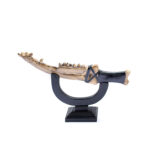
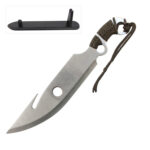
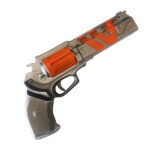
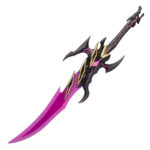
Some games hand you a sword. The best medieval fantasy games make that sword feel like the whole point. Not just a stat stick, not just another loot drop – a piece of identity. If you are the kind of fan who remembers the exact shape of a hero blade, notices guard design, and instantly wants that weapon on your wall after the credits roll, this is your lane.
For blade fans, medieval fantasy is where gaming gets personal. Armor sets matter. Boss weapons matter. The silhouette of a greatsword cutting through fog matters. And while plenty of games borrow castles and dragons, only a few really sell the fantasy of steel, myth, and style all at once.
What makes medieval fantasy games hit harder
The setting does a lot of heavy lifting, but atmosphere alone is not enough. Great medieval fantasy games build a world where weapons feel earned, factions feel old, and every ruined keep or torch-lit hall suggests history. You are not just running from quest marker to quest marker. You are stepping into a place where blades carry status, legends, and sometimes curses.
That matters because weapon design is one of the genre’s biggest strengths. Sci-fi can go flashy. Modern shooters can go tactical. Medieval fantasy gets to be iconic. Massive claymores, rune-etched daggers, crowned longswords, executioner axes, twisted relic blades pulled from fallen kings – this is the gear that sticks in your brain.
There is also more variety here than people give the genre credit for. Some games chase realism and weight. Others go full spectacle with impossible swords and oversized armor that looks built for demigods. Neither approach is wrong. It depends on what kind of fantasy you want. If you love grounded combat, one set of games stands out. If you want pure collector-bait weapon design, a different tier rises fast.
The medieval fantasy games worth your time
Elden Ring
If your ideal fantasy weapon looks like it belongs in a cathedral, a nightmare, and a museum at the same time, Elden Ring is a monster. Every region feels loaded with visual lore, and the weapon catalog is absurd in the best way. Greatswords, curved blades, katanas, colossal hammers, sacred spears – it keeps going, and most of it looks unforgettable.
What really sells it is how gear changes your whole vibe. You are not just picking damage types. You are building a character silhouette. The trade-off is that it can be punishing, especially if you are coming in for the aesthetics first and the boss pain second. Still, few games reward obsession with weapons like this one does.
The Elder Scrolls V: Skyrim
Skyrim remains a classic because it understands fantasy wish fulfillment. You can wander into a frozen ruin, clear out draugr, and walk away with a blade that feels like it has a story. The combat is simpler than newer action RPGs, but the world still delivers that strong sense of medieval adventure with dragons layered on top.
For collectors, Skyrim is less about technical fighting and more about fantasy ownership. You find gear, display gear, hoard gear, enchant gear. It is messy, massive, and still ridiculously easy to sink into. If you want polished melee systems, there are better picks. If you want a broad fantasy sandbox full of memorable weapons, it still earns its spot.
Dark Souls III
Dark Souls III is for fans who want medieval fantasy with weight, ruin, and zero hand-holding. The world feels like the last breath of a dying kingdom, and the weapons match that energy. Everything looks worn, ceremonial, dangerous, or all three at once.
This is one of the strongest games for players who care about how a weapon moves, not just how it looks. Greatswords drag with authority. Spears control space. Ultra weapons feel absurd until you flatten an enemy and suddenly understand the hype. It is darker and more linear than some other entries in the genre, but the visual payoff is huge.
Dragon’s Dogma 2
This one leans into big monster fantasy in a way that feels incredibly satisfying. Climbing a giant beast with a sword in hand never really gets old. The world is classic medieval fantasy on the surface, but the action gives it a more physical, scrappier energy than many RPGs in the same lane.
Weapon fans get plenty to enjoy here because combat sells impact. Fighters, warriors, thieves, and mystic classes all bring different blade appeal. The downside is that performance and systems have been a sticking point for some players, so this is one where your tolerance for rough edges matters. When it clicks, though, it really clicks.
Kingdom Come: Deliverance
This is the grounded pick. No dragons, no glowing god-swords, no magical nonsense carrying weak combat. If what you want is medieval steel with actual weight and a world built around realism, Kingdom Come: Deliverance does something few games even attempt.
It is not fantasy in the traditional sense, which makes it a slight outlier here, but fans of medieval combat often end up loving it anyway. Swordplay demands patience. Armor matters. Positioning matters. It is less about heroic spectacle and more about earning competence the hard way. If your taste runs toward authenticity over myth, this is an easy recommendation.
For Honor
For Honor is not a classic RPG, but it absolutely deserves a look if your brain lights up at the sight of blades, armor, and faction style. It is competitive, aggressive, and built around weapon-based duels that feel deliberate instead of button-mashy.
The medieval fantasy angle is stylized rather than lore-heavy, and the game blends historical inspirations instead of sticking to one setting. Even so, for pure weapon fantasy, it works. Every class sells a different fighting identity, and the visual design is collector catnip. If you want story-first worldbuilding, look elsewhere. If you want to feel the difference between weapon archetypes, it delivers.
Why weapon design matters so much in this genre
In other genres, gear can feel disposable. In medieval fantasy, the weapon is often the character. You remember the blade before you remember the inventory menu. That is why certain games build such loyal fanbases – they understand that players are not just chasing damage numbers. They are chasing a look, a fantasy, a specific kind of presence.
That also explains why some titles explode beyond the screen. A standout sword design turns into fan art, cosplay, collector demand, and display pieces fast. The moment a game nails that one hero weapon, it stops being just an item and starts becoming part of the fandom. For a lot of players, that is when the obsession kicks in.
This is where medieval fantasy keeps beating cleaner, more minimal genres. The ornamentation is part of the appeal. Engraved guards, oversized pommels, dragon motifs, battle-worn finishes, relic shapes that feel half sacred and half cursed – it is visual storytelling you can hold in one object. That is catnip for collectors.
Choosing the right medieval fantasy game for your taste
If you want massive worlds and total freedom, Skyrim and Elden Ring are the easiest starting points. If you want challenge and unforgettable blade design, Dark Souls III still swings hard. If you prefer a more grounded relationship with swords and armor, Kingdom Come: Deliverance is the sharper choice. And if your favorite part of fantasy is seeing huge weapons crash into huge monsters, Dragon’s Dogma 2 deserves a spot in your rotation.
It really comes down to what kind of weapon fantasy you want. Some players want realism. Some want absurd legendary steel the size of a door. Some want to collect armor sets and build a whole character aesthetic around one perfect sword. None of those are wrong answers.
That is also why this genre keeps feeding collector culture so well. The best games do not just give you cool gear. They give you gear with attitude. They make you want to recreate the build, the look, the whole presence outside the game. For fans who live for display-worthy design, that is the sweet spot.
Medieval fantasy games and collector energy
The overlap between gamers, cosplayers, and replica collectors is huge for a reason. Medieval fantasy games are built around visual loyalty. You do not just like a class or a faction. You lock onto a weapon and decide that is your thing. Maybe it is a brutal greatsword with chipped edges. Maybe it is an elegant longsword that looks royal enough for a throne room wall.
That connection is what keeps the genre fresh, even when the market gets crowded. New mechanics help, sure, but style is what people remember. A game can be technically strong and still fade if the gear looks generic. The titles that last are the ones that make fans say, I need that sword.
That is exactly why so many collectors keep circling back to this category. Medieval fantasy gives you everything shiny – heroic blades, villain weapons, ceremonial steel, dungeon loot that looks ready for display. And when a game gets that formula right, it does more than entertain. It follows you off-screen.
If you are picking your next adventure, go where the weapons feel unforgettable. The right blade can carry an entire game – and sometimes, your whole collection after that.