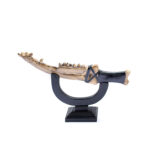
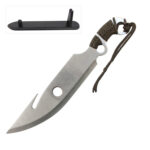
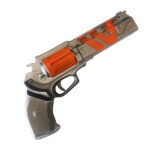
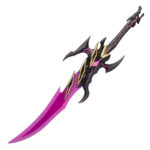
Some characters walk on screen and instantly sell the whole world. You see the armor, the stance, the weapon choice, and you already know the role. That is the power of medieval fantasy classes. They do more than label a character as a fighter or mage – they tell you how that character survives, what they value, and what kind of gear belongs in their hands.
For collectors, gamers, and cosplay fans, that matters. A class is often the difference between a sword that feels generic and one that feels like it came straight out of a kingdom under siege, a cursed dungeon, or a boss fight worth replaying. If you love fantasy weapons, understanding class identity makes every blade, axe, staff, and dagger hit harder.
Why medieval fantasy classes matter so much
The best fantasy worlds do not just hand out cool weapons at random. They tie gear to role. A knight carries a longsword because discipline, rank, and battlefield function all line up. A rogue reaches for daggers because speed, concealment, and precision are the whole point. A cleric may carry a mace not because it looks flashy, but because it fits a tradition of durability and divine authority.
That connection is why certain designs stay iconic across games, anime, tabletop campaigns, and fantasy films. Medieval fantasy classes create visual shorthand. Even before a character speaks, you understand the build. Heavy plate means front-line pressure. Robes and a staff signal range, knowledge, and raw magical threat. A hood and twin blades usually mean someone is about to steal, vanish, or strike first.
For fans building a display or planning a cosplay loadout, class identity gives the collection shape. Instead of buying random pieces, you start curating around archetypes. That is where things get fun.
The most iconic medieval fantasy classes
Some classes never go out of style because they work on every level – gameplay, story, and visual design.
The knight or warrior
This is the backbone class. Call it knight, warrior, fighter, or champion, the role stays familiar: stand your ground, hit hard, and look unstoppable doing it. These characters usually carry longswords, broadswords, claymores, shields, or battle axes, and they wear armor that makes them look built for war rather than stealth.
Collectors love this class because the weapon profiles are instantly recognizable. Big crossguards, broad blades, detailed pommels, and armored gauntlets all scream classic fantasy. If you want a display piece that reads heroic from across the room, warrior-class gear is hard to beat.
The trade-off is that the class can feel plain if the world does not add personality. A basic sword-and-armor setup needs good design to stand out. The strongest knight archetypes solve that with faction symbols, unusual blade shapes, or a darker edge like cursed steel or battle-worn relics.
The rogue or assassin
This class has style built in. Rogues, thieves, assassins, and shadow fighters thrive on speed and control. Their weapons tend to be daggers, short swords, hidden blades, or compact tools that look lethal without looking bulky.
Visually, this class is all about silhouette. Light armor, cloaks, masks, and paired weapons create an aggressive, agile look that works especially well for cosplay and shelf presentation. A rogue setup feels personal. It suggests skill over brute force.
The challenge with rogue gear is scale. Smaller weapons can be less dramatic than a massive fantasy sword or axe. But when the design is sharp, detailed, and character-specific, the result feels even cooler because it looks deliberate rather than oversized for the sake of it.
The mage or wizard
No class changes the tone of a world faster than the mage. The second a staff, spellbook, wand, or enchanted blade enters the frame, the setting opens up. Rules get stranger. Stakes get bigger. Magic users carry some of the most memorable gear in fantasy because their weapons are often symbols first and tools second.
For collectors, mage gear has a different appeal than traditional melee weapons. It is less about battlefield realism and more about presence. Crystal details, glowing motifs, rune patterns, and ornate construction make these pieces stand out in a display. They look like artifacts, not just equipment.
That said, mage weapons depend heavily on design execution. A sword can still look good with a simpler form. A magical item usually needs stronger visual language to avoid feeling vague. When it works, though, it really works.
The ranger or hunter
The ranger sits in a sweet spot between survivalist grit and heroic fantasy cool. Bows, crossbows, hunting knives, and lighter swords define the class, often paired with leather armor and practical gear. This is the class for characters who feel connected to forests, ruins, borderlands, and monster-tracking missions.
Fans like ranger aesthetics because they feel grounded without being boring. A ranger loadout looks functional, but still cinematic. It suggests mobility, precision, and independence. In a collection, ranger-inspired weapons can balance out heavier knight pieces and more ornate magical designs.
The downside is that the ranger class can blend into generic fantasy if the character lacks a strong signature item. A distinctive bow or named blade often makes the difference.
The cleric or paladin
If the warrior is raw steel, the paladin is steel with purpose. This class combines armor, faith, and authority. Clerics and paladins often use maces, warhammers, flails, longswords, and shields marked with religious or royal imagery. They are built to feel righteous, relentless, and a little intimidating.
This class stands out because it carries visual weight beyond combat. The gear looks ceremonial and battle-ready at the same time. Gold accents, engraved emblems, and sacred motifs give these weapons a sense of status. They are perfect for fans who want fantasy gear that feels noble without losing edge.
The trade-off is flexibility. Paladin design shines brightest in worlds with strong lore around orders, temples, or holy wars. Without that context, the class can slip into standard armored hero territory.
How class design shapes weapon appeal
When fans talk about loving a weapon, they are often reacting to class fantasy as much as the item itself. A sword is not just a sword if it belongs to a fallen knight, an elite dungeon raider, or a demon-slaying hero. The class gives the object emotional context.
That is why oversized greatswords feel right in some settings and ridiculous in others. It depends on the class fantasy. A giant blade works for berserkers, dark knights, and boss-tier warriors because power is the point. The same weapon would look out of place on a stealth-based rogue. In fantasy, weapon logic matters even when realism takes a back seat.
For collectors, this is useful. If you are building a themed display, start with the class. Do you want your shelf to feel like a royal armory, a mage tower, a thieves’ guild stash, or a monster hunter’s camp? Once you answer that, the right weapon types get a lot easier to choose.
Medieval fantasy classes in games, anime, and cosplay
Different fandoms handle classes differently, but the core appeal stays the same. Games make classes mechanical. Stats, abilities, and gear restrictions turn archetypes into playstyles. Anime often pushes classes harder visually, exaggerating weapon size, costume detail, and character energy for instant impact. Cosplay sits somewhere in the middle, where recognizability and real-world wearability both matter.
That means the best class-inspired gear is not always the most realistic. Sometimes the piece that wins is the one with the strongest silhouette, the clearest fandom identity, and the most dramatic display value. For a collector, that can matter more than historical accuracy.
This is especially true in modern fantasy merchandising. Fans want pieces that look substantial, photograph well, and feel like they belong to a specific character or archetype. A cleanly designed knight sword, a wicked assassin dagger set, or an elaborate mage weapon can all earn a spot if they deliver that connection.
Choosing your favorite class starts with the gear
A lot of fans think they choose their class based on personality. Sometimes that is true. Just as often, they choose based on the weapon that made them stop scrolling. The sword sold the knight. The twin daggers sold the rogue. The glowing staff sold the mage.
There is no wrong pick here, only different flavors of fantasy obsession. If you want raw power and iconic steel, go warrior. If you want speed and menace, go rogue. If you want spectacle, go mage. If you want practical hero energy, go ranger. If you want honor with heavy impact, go paladin.
And if you collect fantasy gear, medieval fantasy classes give you a smarter way to build a lineup that actually feels curated. One strong archetype can turn a shelf into a story. That is when a replica stops being just a cool object and starts feeling like part of a world worth displaying.
At the end of the day, the best class is the one that makes you want to suit up, claim the weapon, and add one more standout piece to the collection.