The fastest way to spot medieval fantasy is simple: if a world gives you castles, swords, kings, monsters, and magic in the same breath, you are probably looking at it. But what is medieval fantasy, really? For fans, collectors, gamers, and cosplay people, the answer goes beyond old stone walls and a cool blade. It is a genre built on a specific mood – one where honor, danger, prophecy, war, and legendary weapons all feel larger than life.
That is why the genre keeps hitting so hard. Medieval fantasy does not just hand you a setting. It hands you a whole identity. You are not looking at a random sword on a wall. You are looking at the kind of weapon a knight, ranger, dark lord, or chosen hero would carry into a world where the stakes are kingdom-sized.
What is medieval fantasy?
Medieval fantasy is a subgenre of fantasy that borrows heavily from the Middle Ages, or at least the popular image of them. It usually features castles, feudal societies, monarchies, knights, blades, quests, ancient ruins, and handcrafted weapons rather than guns or modern tech. Then it adds fantasy elements like dragons, sorcery, enchanted artifacts, mythical races, and supernatural threats.
The key word here is borrows. Medieval fantasy is not the same thing as real medieval history. It is a stylized version of the past, shaped by legend, folklore, epic literature, tabletop games, video games, anime, and blockbuster fantasy worlds. That is why one series might feel gritty and mud-soaked, while another looks polished, heroic, and almost mythic.
At its core, medieval fantasy mixes historical flavor with imagined danger and wonder. It gives fans a world where steel still matters, but steel alone is never enough.
The core ingredients of medieval fantasy
A medieval fantasy world usually runs on a few recognizable pieces. First is the social structure. You often get kings, queens, nobles, peasants, mercenaries, guilds, and religious orders. Power tends to flow through bloodlines, conquest, or divine right rather than elections or corporations.
Second is the visual language. Stone fortresses, torchlit halls, chainmail, cloaks, banners, and ancient weapons are everywhere. Even when the story goes dark or weird, the world still feels built from iron, leather, wood, and fire.
Third is the presence of the unreal. This is where the genre separates itself from straight historical fiction. Magic can be rare and feared, or common and systemized. Monsters might stalk forests, gods may influence mortal wars, and cursed relics can change the course of entire kingdoms.
The best medieval fantasy also carries a sense of age. The world feels old. Empires have fallen. Swords have names. Ruins matter. Every mountain pass, ruined tower, or blackened throne room seems to come with a story.
Why swords matter so much in medieval fantasy
If there is one object that practically defines the genre, it is the sword. Not because every medieval society revolved around swords alone, but because fantasy turns them into symbols. A sword in medieval fantasy is rarely just gear. It is lineage, rank, duty, rebellion, vengeance, or destiny forged into metal.
That is why famous fantasy weapons stick in peoples heads long after the plot details fade. A heros blade tells you who they are. A villains weapon can project fear before they even speak. Even damaged or cursed swords become part of the myth.
Axes, daggers, spears, bows, and war hammers all show up too, and they absolutely matter. Still, swords dominate because they sit right at the center of fantasy iconography. They look ceremonial and deadly at the same time, which is perfect for a genre obsessed with status, combat, and legend.
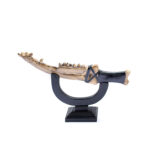
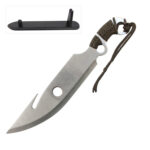
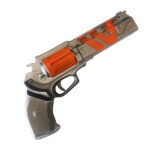
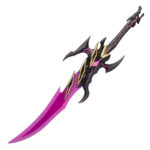
For collectors, this is a huge part of the appeal. Medieval fantasy weapons feel display-worthy in a way that modern gear often does not. They bring instant atmosphere to a room, a cosplay build, or a themed collection.
Medieval fantasy vs. historical fantasy
This is where things get a little tricky. Medieval fantasy and historical fantasy can overlap, but they are not identical.
Historical fantasy starts with a real historical setting and then introduces magical or supernatural elements. Medieval fantasy starts with the vibe of the medieval era, but it is often set in an entirely invented world. One leans closer to history with fantasy added. The other builds its own mythology using medieval-style foundations.
That difference matters because it shapes expectations. If a story aims for historical fantasy, fans may expect more realism in politics, religion, social life, and combat. If it aims for medieval fantasy, the creator has more freedom to exaggerate, remix, or go full epic with dragons, ancient bloodlines, and impossible weapons.
Neither approach is better. It depends on what kind of experience the story wants to deliver. Some fans want gritty realism with a touch of the supernatural. Others want full-scale myth, oversized armor, legendary swords, and battles that feel carved out of prophecy.
What makes a medieval fantasy world feel believable?
Believable does not mean realistic in a strict history-book sense. It means the world feels internally consistent. If magic exists, there should be some logic to how people fear it, use it, ban it, or worship it. If kingdoms are constantly at war, the economy, travel, and daily life should reflect that pressure.
Good medieval fantasy sells the illusion through details. Food, weather, roads, armor, architecture, religion, folklore, and weapon design all help the world feel lived in. Even the best monster design falls flat if the rest of the setting feels like cardboard.
This is also why weapons and gear matter so much in the genre. They are part of the worldbuilding. A polished royal longsword tells a different story than a chipped mercenary blade. A ceremonial dagger, a rune-etched axe, or a blackened greatsword all signal different corners of the same universe.
Fans pick up on that fast. The object is never just an object. It is a clue about the world.
Common themes in medieval fantasy
Medieval fantasy keeps returning to the same emotional engines because they work. Power is a big one – who holds it, who loses it, and what it costs. Destiny is another, especially when ordinary people get dragged into ancient conflicts they did not ask for.
Honor, betrayal, sacrifice, revenge, and the corruption of power also show up constantly. The medieval-style setting sharpens those themes because life feels harsher and more immediate. There are fewer safety nets, fewer modern systems, and more room for personal combat, loyalty oaths, dynastic conflict, and brutal consequences.
Then there is the theme fans love most: the rise of the unlikely hero. Farmhands, exiles, bastard heirs, wandering swordsmen, monster hunters, and disgraced knights all fit perfectly here. Medieval fantasy is built for characters who start small and grow into legend.
Why the genre stays popular
Part of the answer is visual. Medieval fantasy just looks awesome. Castles, armor, banners, dragons, dark forests, glowing relics, and battle-worn blades are hard to beat. The genre delivers instant style, which is why it thrives across novels, games, anime, movies, and collectibles.
But it also sticks because it feels mythic. Modern settings often focus on systems, technology, and realism. Medieval fantasy goes in the opposite direction. It brings back mystery. The world feels dangerous, ancient, and full of things that cannot be explained away.
That mix has huge appeal for fandom culture. It gives people symbols to rally around – houses, kingdoms, factions, heroes, and signature weapons. It is the kind of genre that naturally turns viewers and players into collectors because the objects in the world feel iconic. A good medieval fantasy weapon does not feel like random merch. It feels like a piece of the story made real.
That is a big reason stores like Pocket Blade connect so well with this audience. Fans do not just want to watch fantasy worlds. They want to bring part of that energy home and put it on display.
What is medieval fantasy in modern fandom?
Today, medieval fantasy is bigger than one shelf in a bookstore. It stretches across RPGs, anime, dark fantasy games, tabletop campaigns, streaming series, and convention cosplay. Some versions go classic and noble. Others go grim, violent, or heavily stylized.
That range is part of the fun. Medieval fantasy can mean a shining knight and a holy sword, or it can mean a cursed warrior dragging a massive blade through a collapsing kingdom. It can be elegant, brutal, romantic, tragic, or all four at once.
The one constant is the feeling. Medieval fantasy drops you into a world where steel, myth, and fate collide. It gives weapons meaning, turns landscapes into legends, and makes every throne room or battlefield feel like it belongs to a larger saga.
If you have ever looked at a fantasy sword and instantly imagined the world it came from, you already get the genre. Medieval fantasy is not just about the past. It is about building a world where every blade, banner, and beast feels like it belongs to a story worth remembering.
And that is probably the best way to think about it going forward: medieval fantasy is the genre that makes imagined worlds feel collectible, wearable, and unforgettable all at once.